Friday, 31 March 2017

Manitoba

INTRO:
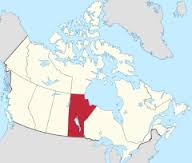
Manitoba is a province situated in the centre of Canada. It’s one of the three prairie provinces (with Alberta and Saskatchewan). It’s has a widely varied landscape. The province is bordered by the provinces of Ontario to the east and Saskatchewan to the west.

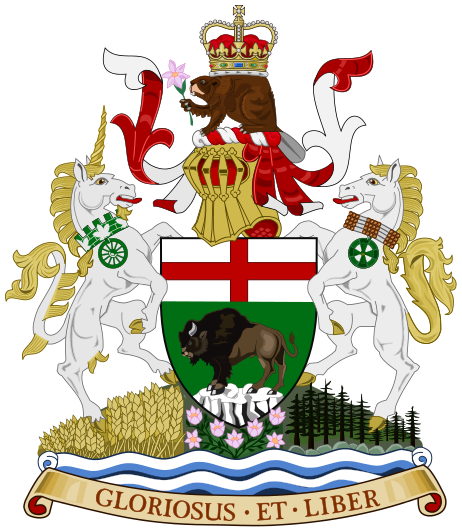
A red flag with a large Union Jack in the upper left corner and a shield, consisting of St. George's Cross over a left-facing bison standing on a rock, on the right side        


HISTORICAL FACTS:
In 1979 French stopped being the official language, so schools couldn´t teach it, but in 1985 it became the main language and schools started teaching it again .


ORIGIN:
The name Manitoba comes from three different languages which are: Cree, Ojibwa and Assiniboine. Its language has its origin. From the Cree is manitou-wapow and from Ojibwa is manidoobaa. That means ´´The Great spirit``, this is a place called ´´The Narrow`` in the center of Manitoba.


OFFICIAL LANGUAGES:

English and French are spoken in Manitoba.
Resultado de imagen de manitoba


MAIN CITIES:

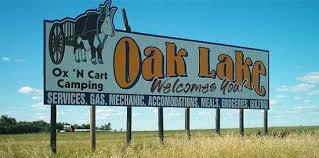
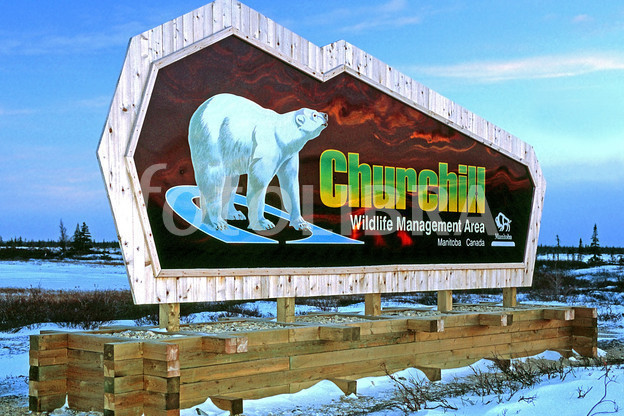
Some of the cities of Manitoba are for example: Brandon, Thompson, Churchill, Oak Lake and Winnipeg which is Manitoba’s largest city. It’s also the capital.

EVENTS AND FESTIVALS:
  • FESTIVAL DU VOYAGEUR:
Every winter in  Winnipeg’s French quarter, there is a winter paradise which is one of the largest winter festival in Western Canada. The objective is to promote the French language and culture with some artistic, educational, historical and cultural experiences inspired by the voyageur era. In the event some artists participate in many ways like singing.
Resultado de imagen de festival du voyageur


  • Winnipeg Folk Fest:


Lively Gatherings: Folk Festival


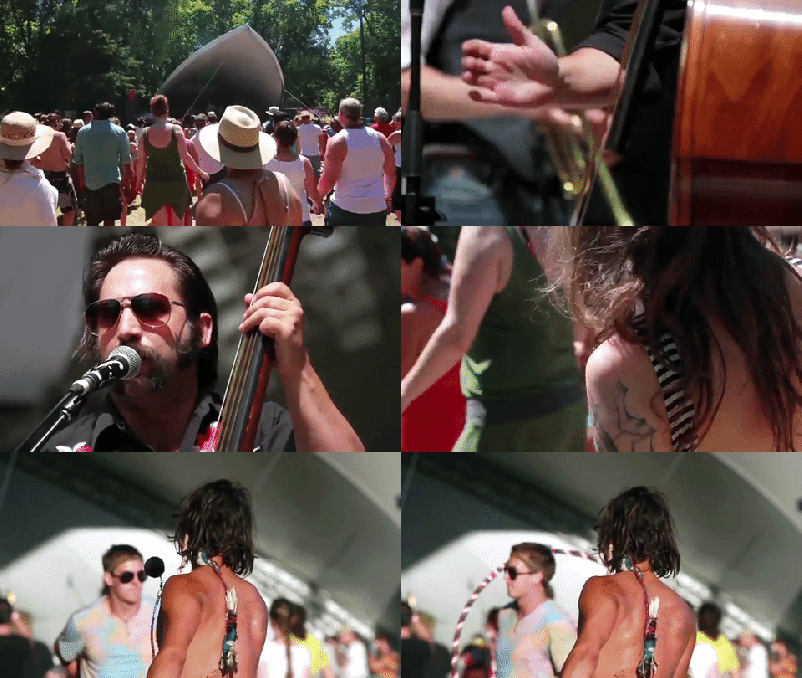
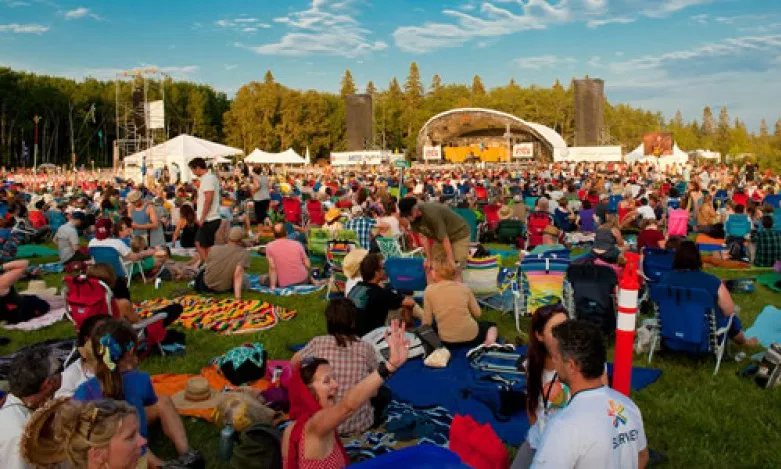
It attracts thousands of people every year. The Winnipeg Folk Fest is a celebration of folk music, where you can camp for the whole festival, everybody can do it!!, from young to old people. If you don’t want to camp for so long, you also can chill out and rest one day. There are drum circles and fire dancers. You can enjoy this party for four amazing days! You can do many things like eating from a food truck or see a show. If you go to Winnipeg Folk Fest, you will have fun!

  • Red River Exhibition:


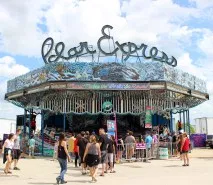
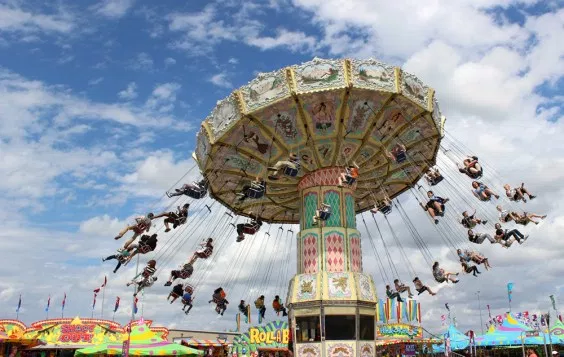
A lot of  memories are made at the Red River Ex each year. It is a very common event of Manitoba in summers. You can go for the rides or have lunch. In the Red River Ex there are rides for all ages, carnival games, a petting zoo,  plenty of food sold by people and… a Polar Express! What would summer be without at least one ride on the Polar Express? You should go and try these exciting activities!


MAIN ATTRACTIONS:

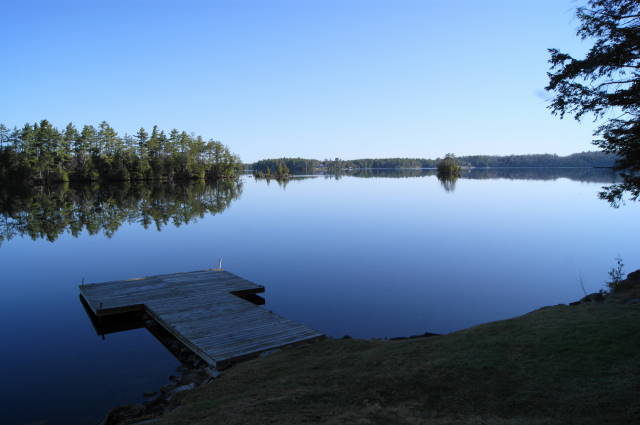
Manitoba has more than 100,000 lakes, including Lake Winnipeg, one of the world’s largest lakes in that area. A big part of the province’s land area is forested.
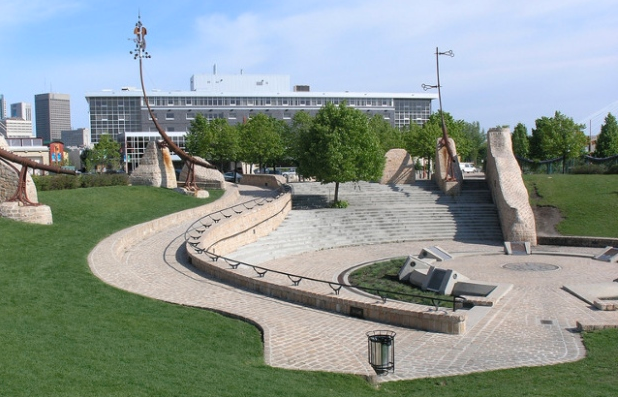
You can visit the Oodena Celebration Circle. It’s a natural amphitheatre between two rivers. There you can see a monument dedicated to the natives who lived there many years ago. There are also some sculptures, one of them it’s a solar clock used to observe the stars.


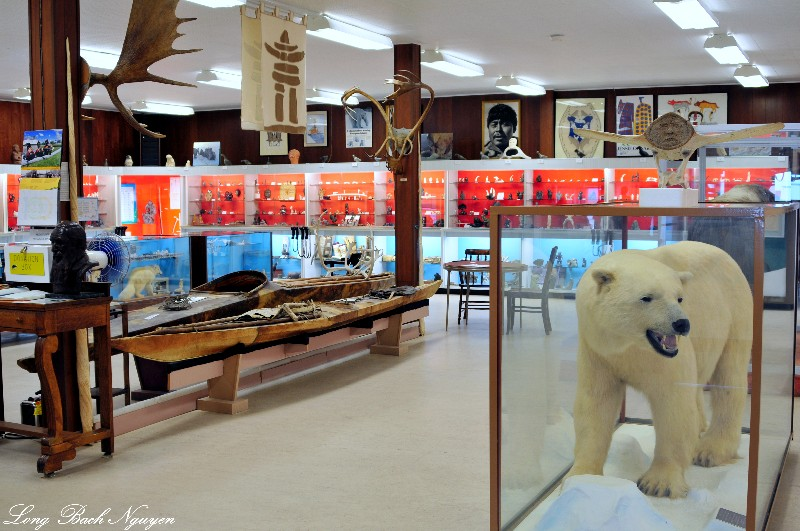
Another interesting activity is to visit the Eskimo Museum in Churchill. It’s a small museum with objects created from eskimos. Many of those objects are made with animal’s bones. They represent eskimos’ lifes. I recommend going because it’s really good!


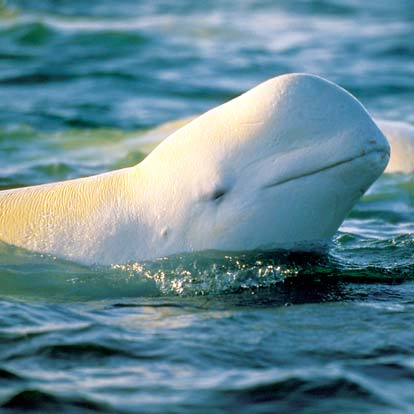
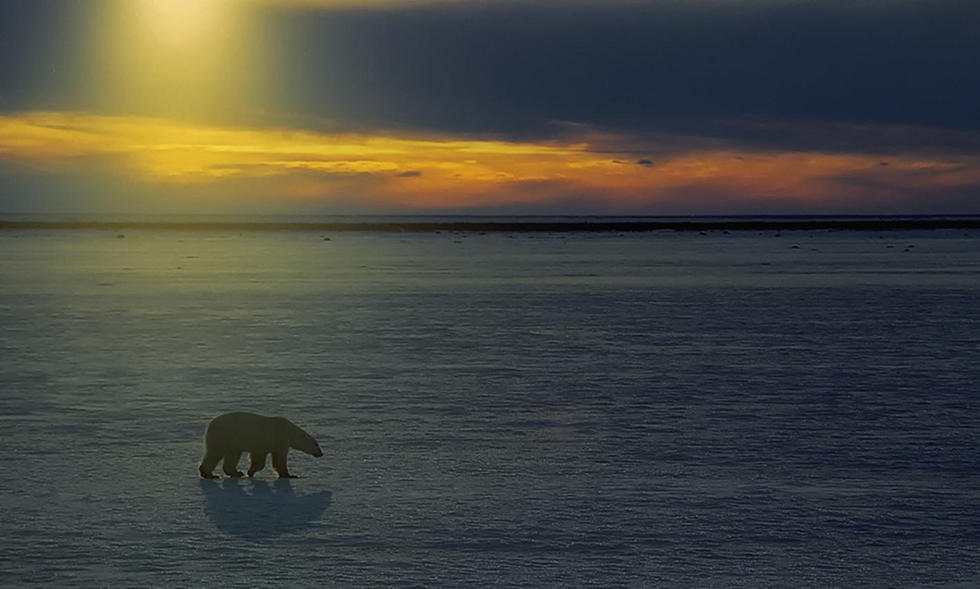
Churchill is the best place to enjoy seeing polar bears walking free and in summer it’s a perfect place to see whales.
In winter they hibernate but in spring is the time you can see them.


CANADA


CANADA


Geography
Canada is the world’s second-largest country, surpassed only by the Russian Federation. The country is encased by the world’s longest coastline. Distances in Canada can be vast.

Weather
The image of Canada as a frigid northern climate is not totally accurate. Much of the north, which is virtually uninhabited, has an arctic climate that is particularly harsh, and ground that is permanently frozen.

Nature
There are some two million lakes in Canada, covering about 7.6% of the Canadian landmass. Canada’s terrain incorporates a number of mountain ranges: the Torngats, Appalachians and Laurentians in the east; the Rocky, Coastal and Mackenzie ranges in the west; and Mount St. Elias and the Pelly Mountains in the north. At 6,050 m, Mount Logan in the Yukon is Canada’s tallest peak.
Resultado de imagen de bosque canadiense

History
Canada’s first inhabitants crossed what is now the Bering Strait. For thousands of years, the aboriginal population flourished in Canada. The first fully documented exploration by Europeans was that of John Cabot with an English expedition in 1497. Following the British victory over the French in 1763, Canada became a British colony.

People
Canada’s population is over 30 million with the vast majority (77%) living in cities and towns. The largest cities in Canada are: Toronto (4.44 million), Montréal (3.33 million), Vancouver (1.89 million), Ottawa-Hull, the National Capital Region (1.03 million).


Simbols
The maple leaf was used as a symbol of Canada as early as 1700. Since February 15, 1965, a red maple leaf has been on the national flag of Canada. It has become our most well-known and important symbol.

Resultado de imagen de The Maple Leaf

Languages
Canada has two official languages: English, the mother tongue of about 59% of Canadians; and French, the first language of 23% of the population. A full 18% have either more than one mother tongue or a mother tongue other than English or French, such as Chinese, Italian, German, Polish, Spanish, Portuguese, Punjabi, Ukrainian, Arabic, Dutch, Tagalog, Greek, Vietnamese, Cree, Inuktitut, or other languages.

Political System
Canada is a constitutional monarchy and a federal state with a democratic parliament.
Resultado de imagen de parlamento canadiense


Canada's Economy
Canada’s economy is made up of many different industries. There are three main types of industries in Canada: natural resources, manufacturing and services.

Resultado de imagen de moneda canadiense

Thursday, 30 March 2017

ALBERTA

ALBERTA

   The name of Alberta comes from the feminine of Albert. This is the name of a Canadian province, which was named in honour of a daughter of Queen Victoria.
   First Nations, or Aboriginals, were the first peoples in Canada, in Alberta, before Samuel de Champlain, from France, came and started a colonization process that made Canada what it is today. Treaty Agreements and conflict between the government and First Nations are a major part of history in Canada. There are many different sites you can visit to learn about the culture of the First Nations, including Fort Edmonton Park. Teepees and todem poles are common First Nations monuments you see scattered throughout different parts of Alberta.
   Canada is known for being very diverse, and there are many sites in Canada you can visit to learn about different cultures. Some of these places include Chinatown and the Ukrainian Cultural Heritage Village. We also celebrate heritage days where people can go and try different foods from different cultures and learn about them, about traditions, and the ways of life of different people.


   Two of the main cities in Alberta are Edmonton (the capital) and Calgary. In Calgary an extremely popular event is the Calgary stampede. Bull fighting, games, horses, it has it all. In Edmonton, there is West Edmonton Mall. It was the largest mall in the world until 2004 and is a very popular attraction. The mall contains many stores, two food courts, restaurants, a swimming park, a skating rink, bowling allies, a movie theatre, mini golf, a theme park, a hotel, an aquarium, and more. Edmonton is also home to the Alberta Legisltive Building. In the pool and fountain out front it is a popular place to go swimming in the summer - and in the winter it is filled with trees and lights.


      If you love to get outdoors, Alberta is the perfect place to do so. Banff, Jasper, and Canmore are beautiful places where you can do a number of activities including skiing (or snowboarding), hiking, walking, rock climbing, and so much more! Here you can see a lot of wildlife, including bears, moose, deer, buffalo, eagles, wolves, coyotes, beavers, squirrels, geese, and more. You can visit some beautiful waterfalls and lakes (of which are especially cool in the winter because of the frozen waterfalls). One of the most popular places worldwide is Lake Louise, located in Banff. It is stunning no matter what season it is. The Fairmont Chateau hotel is extremely popular and it overlooks the lake. 
   Drumheller is a popular site for those who love dinasours and hoodoos. It is a unique area with a beautiful landscape. Drumheller is full of dinasour fossils. The Royal Tyrell Museum is located here and you can learn about dinasours there. 


   Alberta is overall a beautiful place to travel, perfect for road trips and getting outdoors. It is a unique place to travel for you can do different activities based on the season.


Northwest Territories,Yukon and Nunavut


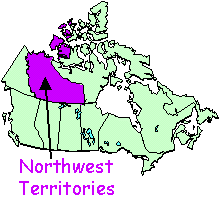
NORTHWEST TERRITORIES is the central Canadian territory.  Yellowknife is the capital city.
Up until, 1999 the Northwest Territories were twice the size.  On April 1, 1999, it was split to recognize Nunavut as a separate territory.
Check out our brief photo tour of the Northwest Territories if you'd like to see more of the scenery of the territory or if you need photos for a school project.


  • The government made French an official language for these territories. Although they have their mother tongue, the "Dogrib".
  • Some of the major cities in Northwest Territories are Yellow Knife, Hay River, Inuvik …
  • One of the main sites of interest is the capital "YellowKnife" in which you will have no problem to communicate because they speak 5 lenguages.
  • One of the most expected events is the aurora borealis.
  • One of the things people go to Northwest Territories is to visit the "Diavik", a diamond mine from which the purest diamonds in the world are extracted.


NUNAVUT is the eastern-most Canadian territory.  Iqaluit is the capital city.
Up until, 1999 Nunavut didn't exist.  On April 1, 1999, the eastern portion of the Northwest Territories was carved out and the territory of Nunavut was born.Yukon is the western-most Canadian territory.  Whitehorse is the capital city.

  • The lenguaje that they use is inuktit because most of the people can´t speak in english or french.
  • The main citiy in Nunavut is the capital called “Iqaluit”.
  • Alert is a small village situated on the coast of the Isle of Ellesmere. That it is actually a Canadian military base
  • The main event in Nunavut is "Spring Ice" which has an Eskimo origin and in which there are competitions of fishing and dog races.
  • In Nunavut there are several places of interest but the most outstanding are: "Mount Thor", "Hudson Bay Company".


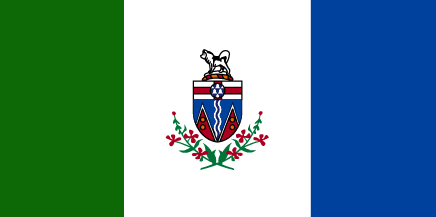
THE YUKON TERRITORY is bordered on the Western side by the U.S.  State of Alaska.  To the north is the Beaufort Sea and to the south is the Province of British Colum.

  • Being a federal territory the official languages are English and French.
  • The main cities are Whitehorse which is it´s the capital and Dawson City and Watson Lake among others.
  • In Yukon there are several sites such as the Yukon Beringia Interpretive Center or the museum of mining, hot springs, hiking …
  • There are several ways to have fun in Yukon: by mountain bike trails, gold mines, and rafting on the Alley Glacier.


QUEBEC

Quebec

Resultado de imagen de quebec mapGEOGRAPHY


Quebec is the largest province and it's found on the east of Canada.
Quebec city is its capital, and the most popular city is Montreal.


HISTORY

The first inhabitants were American indians and Inuit. In 1534 French explorer Jacques Cartier   took possession of the land. For the next 75 years Quebec was visited by fishers.


In 1608 Samuel de Champlain founded the city of Quebec and established the first permanent colony. Montreal was founded in 1642.


The final battle between the French and British for possession of the New World was fought on the Plains of Abraham at the city of Quebec in 1759. The battle was part of the French and Indian War. At the end of the war Canada was ceded to Great Britain.


In the 1960s agitation broke out to separate Quebec from Canada and set up a new French-speaking country. In 1974 French was declared the official language of the province.


NAME ORIGIN
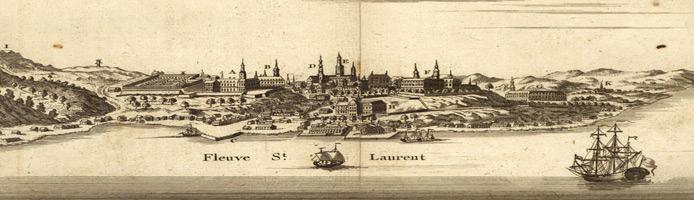
If you want to know why Quebec is called Quebec it’s because ,“Quebec” comes from the Algonquin word for “narrow passage” or “strait”. It was first used to describe the narrowing of the St. Lawrence River near where is now the City of Québec.


LANGUAGES

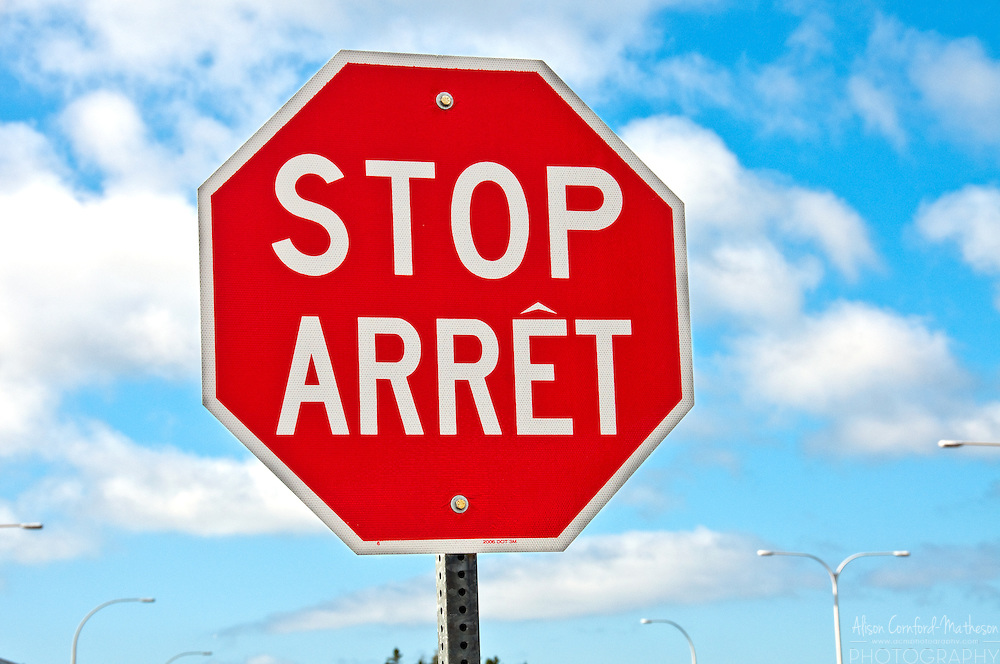
-Going to Quebec is a fantastic experience but if you want to make the most of it you should speak French. French is the only official language in Quebec. But if you don’t speak French and you know English, don’t worry! There won’t be any problem.

-Canadian French shows many differences with the one spoken in France.This video has some of them: https://www.youtube.com/watch?v=tF46rEE5yZU


-Also there are some differences between French and English speakers canadians.Here we've got some of them: https://www.youtube.com/watch?v=BnwhezOlvqg

MAIN CITIES OF QUEBEC

Quebec is a beautiful region full of amazing cities which you can visit, here we have the main cities placed in Quebec.


1.Montreal- With 1,704,694 inhabitants is  the most popular city  in Quebec and the  2nd-most popular in Canada. The city occupies most of the Island of Montreal.


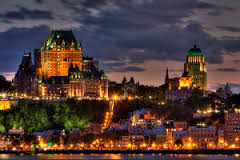
2.Quebec City- With 531,902 inhabitants is the capital city of the Canadian province of Quebec,it’s Canada's seventh-largest metropolitan area and Quebec's second-largest city after Montreal.

3.Laval- With 401,553 inhabitants is a Canadian city in southwestern Quebec, north of Montreal.It is the largest suburb of Montreal, the third largest municipality in the province of Quebec.

Montreal
Laval
Quebec


Here a video explaining the largest and more important cities: https://www.youtube.com/watch?v=Y_ijOlPgHFQ


LANDMARKS IN QUEBEC

Visiting Quebec it’s a fantastic experience in which you can learn about Quebec’s culture by visiting its most important landmarks such as:


1- Notre-Dame Basilica: is a basilica in the historic district of Old Montreal, in Montreal.The church is located at 110 Notre-Dame Street West, at the corner of Saint Sulpice Street. It is located next to the Saint-Sulpice Seminary and faces the Place d'Armes square.Built in the Gothic Revival style, the church's is highly decorated.


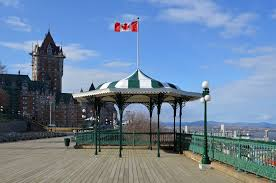
2- Terrasse Dufferin: is a terrace that wraps around the Château Frontenac in Quebec City, overlooking the St. Lawrence. It was built in 1879 under the direction of Lord Dufferin, the then Governor-general of Canada.


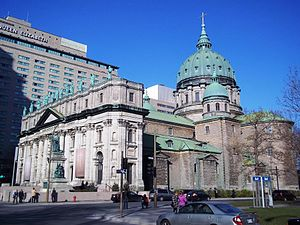
3- Mary, Queen of the World Cathedral: is a minor basilica in Montreal, Quebec, Canada, and the seat of the Roman Catholic archdiocese of Montreal. It is the third largest church in Quebec. The building is 101 m (333 ft) in length, 46 m (150 ft) in width, and a maximum height of 77 m (252 ft) at the cupola, the diameter of which is 23 m (75 f
 

EVENTS AND FESTIVALS

Carnival in Quebec

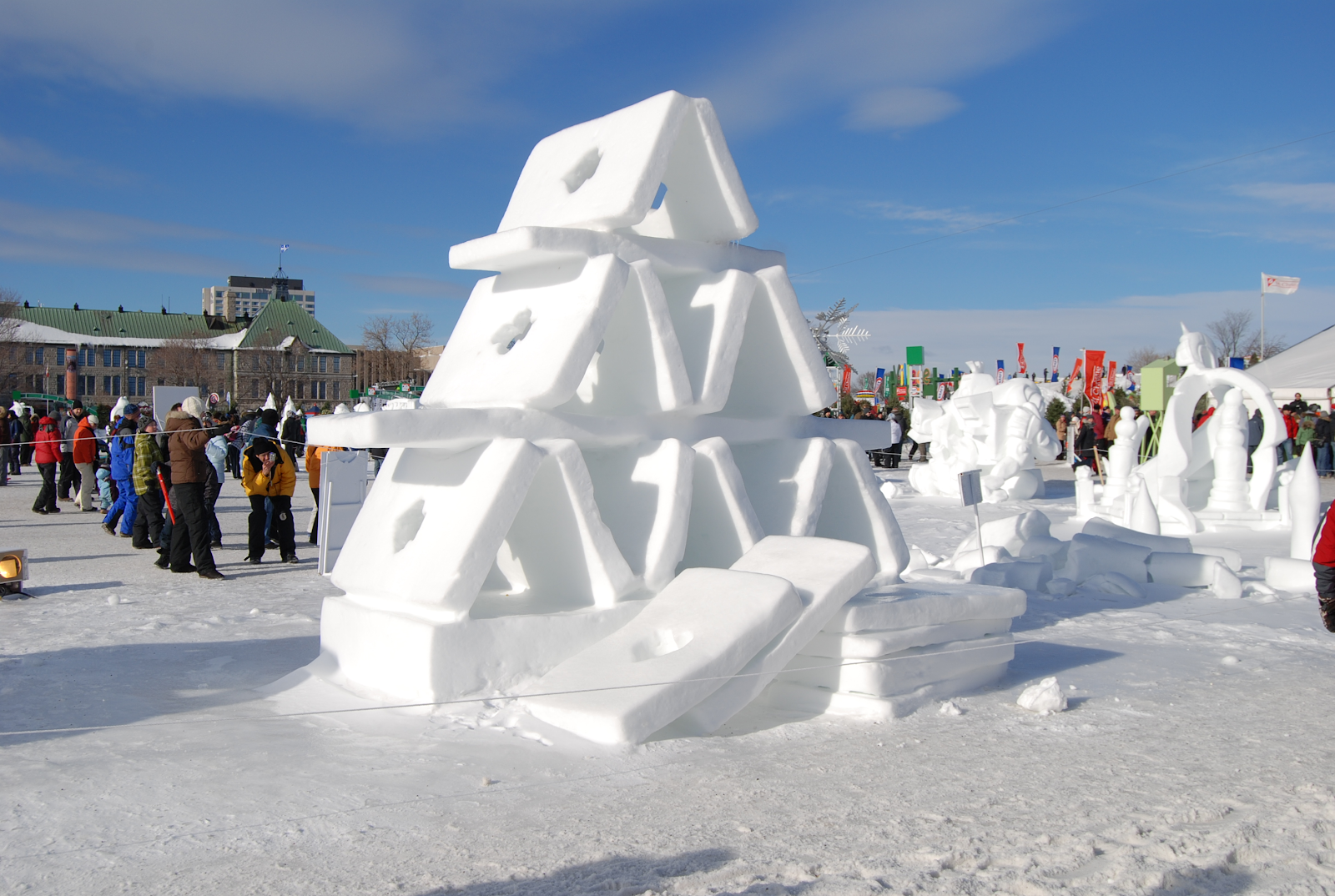
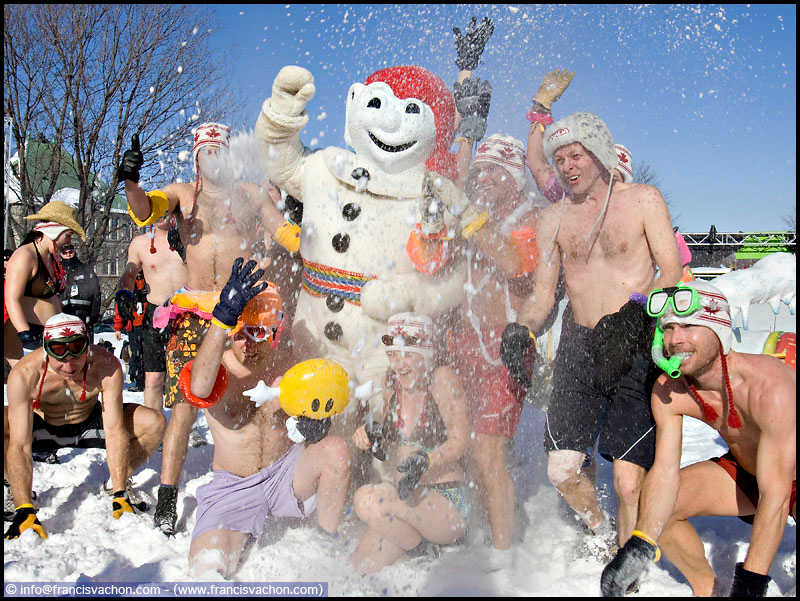
If you visit Quebec during the winter you should go to the Carnival, a very popular festival celebrated each year for 17 days. People transform the city into a beautiful winter wonderland: they build snow statues and castles and they participate in races and games.


But the most famous events are the nighttime and daytime parades, where the main character is… a snowman! It's the mascot of this Carnival and its name is Bonhomme Carnaval. For the parades the city is decorated with lights and more ice sculptures. Also numerous parties, shows and balls are performanced across the city.


Fetes de la nouvelle-France

Every August they celebrate during five days the life of the european settlers of Quebec on the 17th century in the Fetes De La Nouvelle-France (New France Festival). The event is known for its performances, parades, stories, dancing and f other cultural activities.


To celebrate this festival, people dress up as peasants, nobles and bourgeoisie while taking part in festival activities. So you can wear traditional clothes and you can feel as if you were 400 years ago. https://www.youtube.com/watch?v=W2I6GZpUl0I


Festival montréal en lumière

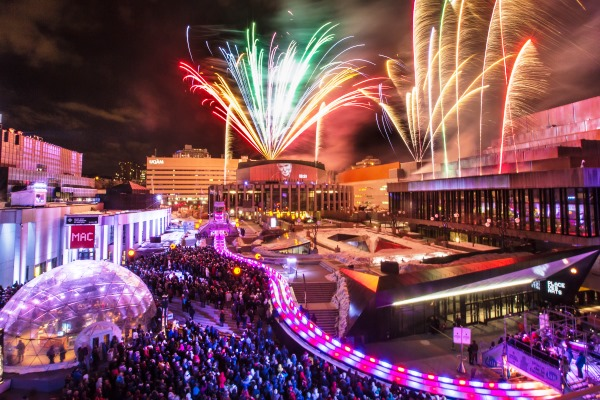
In Canada winters can be very long and cold but at the end of February, in Montreal, it takes place a festival to celebrate that winter is near the end: Festival montréal en lumière.


During 11 days the city is full of lights, and at nights they throw fireworks to illuminate the night sky. There are also many activities that you can do with family and friends like ice skating or maybe you can go to a concert or participate in a performance.


FUN, WEIRD AND INTERESTING FACTS:


If you want to have fun and enjoy your travel in Quebec you should go to this event:

Festival d´ete de Quebec

This summer festival has been taking place annually since 1968 in Plains of Abraham, a historic area within The Battlefields Park in Quebec City. If you come you´ll listen to pop, rock, folk electronic and hip hop music. Also important groups as The Rolling Stones, Iron Maiden or Metallica have played in this festival!


Some interesting facts: https://www.youtube.com/watch?v=cQV_f9UFaCI


  • Only about 1.5% of the population speaks English. Over 95% of the population is French speaking. But more than a third of the population can speak both English and French.


  • The Chateau Frontenac is the world’s most photographed hotel.


  • On the winter solstice the sun rises at 7:27 am and sets at 3:59 pm.


  • On the summer solstice the sun rises at 4:51 am and sets at 8:43 pm.


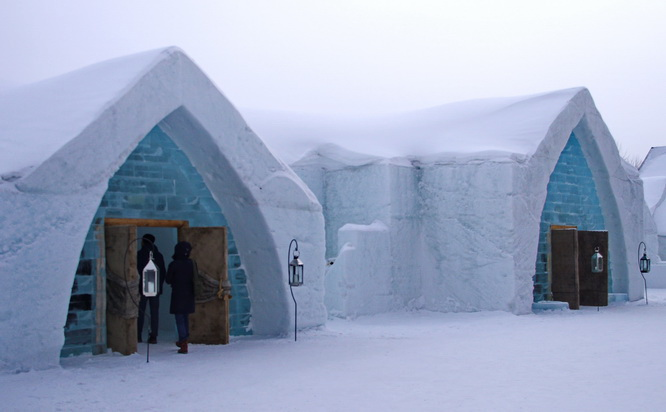
  • The Hôtel de Glace in Quebec City (the only ice hotel in North America) requires 30 thousand tons of snow to build and 500 tons of ice and the inside temperature for sleeping is between -3°C and -5°C! You must wrap up if you want to sleep there!


THINGS TO DO IN QUEBEC

Here you've got two videos with different places you can visit in Quebec city and in Montreal.

Quebec city:

Montreal:

https://www.youtube.com/watch?v=poe2cLKw9ko


By Lucía Castro Narciandi and Berta Fernández Vior  4ºA